
Publié 05-05-2026
Comment citer
Résumé
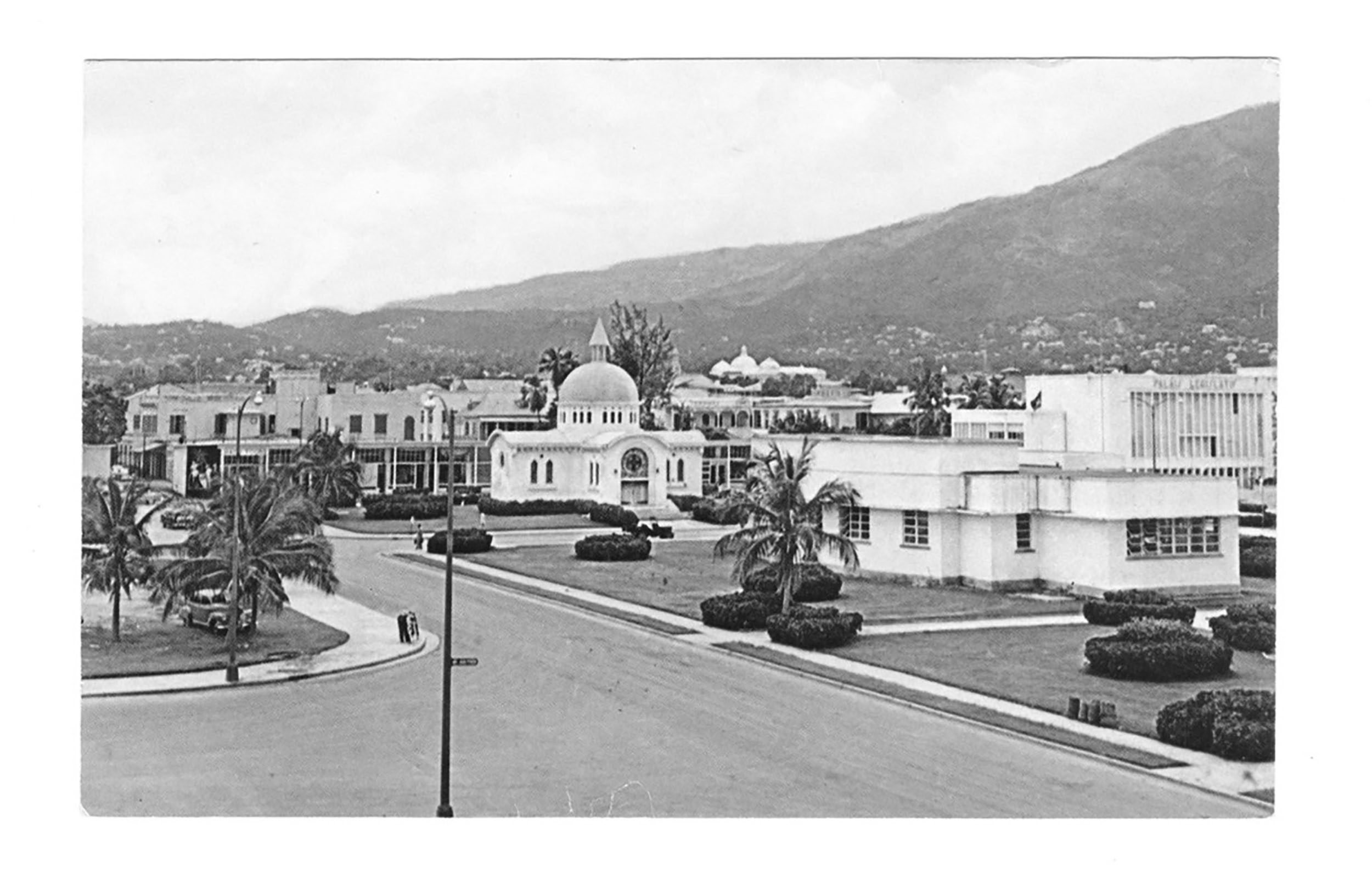
This article is an account and analysis of the 1949-1950 Bicentennial International Exposition held under Dumarsais Estimé’s presidency (1946-1950). The Bicentennial International Exposition transformed a portion of the capital of Port-au-Prince into a visionary ‘‘modern’’ city that celebrated the culture and production of the Haitian masses in order to draw tourists. In mounting it, Estimé brought to fruition former president Sténio Vincent’s long-held ambition to host an international exposition in Haiti to attract foreign visitors and expand tourism. The Estimé government’s efforts to rebrand Haiti was also shaped by the involvement of Pan American Airways. This article also examines the tensions and seeming contradictions of this project, wich celebrated Haitian ‘‘folk’’ culture even as thousands of working-class Haitians were displaced in the construction of Cité de l’Exposition and delves into both the positive and negative critiques from some observers with regard to the International Exposition, on one hand as an eloquent testimony to Haiti’s place in the world, and on the other, as a misuse of public funds.